
Warehouse Technology How to Select the Best Warehouse Management System
Learn how to select the best warehouse management system by evaluating your operational needs, essential features, vendor support, implementation requirements, and long-term scalability.
Table of Contents
SHARE ON SOCIAL MEDIA


Learning how to select the best warehouse management system for your supply chain operations can feel like a daunting task, especially when there are so many types of software available. A good WMS is more than just software; it’s a tool that can transform your warehouse, helping you increase operational efficiency, reduce errors, and scale your business.
But how do you know which WMS is the right one for your warehouse? This guide breaks down the key factors to consider, so you can find the best warehouse management system (WMS) for your specific needs.
1. Understand Your Business Needs
Before supply chain managers and warehouse managers start shopping for a WMS, it’s essential to understand the warehouse’s unique needs. Every business is different, and the best warehouse management solution for one company might not be the right fit for another. Decision makers, should take the time to evaluate current processes and identify any pain points you want to solve.
Questions to Ask Yourself:
- How many SKUs (stock-keeping units) do we manage?
- What’s our average order volume?
- Do we need support for multiple warehouse locations?
- Are there any specific industry regulations we need to comply with (e.g., food safety, pharmaceuticals)?
- Do we need a system that is cost effective?
- Does the new system needs to support software integrations? Example, do you need to integrate with an enterprise resource planning (ERP) system or a labor management system?
For example, if you’re running a small warehouse with a moderate SKU count, you might not need all the bells and whistles that a large, multi-site operation requires. On the other hand, if you’re managing multiple warehouses or handling complex operations like e-commerce fulfillment, you’ll need a WMS that can scale and integrate smoothly.
If your warehouse already uses a WMS, consider whether the system can still keep up with your operation. Is it becoming slower or less reliable as transaction volume grows? Does it provide the reporting, automation, and integrations your team now needs? Can it support additional users, customers, warehouses, and inventory records without creating new limitations?
Understanding both your current challenges and future requirements is an important part of learning how to select the best warehouse management system. Involve key stakeholders from operations, inventory management, customer service, IT, and other affected departments so the final requirements reflect how the system will be used across the business.
Smaller operations may also benefit from reviewing the key considerations for choosing a WMS for small business.
2. Key Features to Look for in a WMS
When evaluating warehouse management software, focus on the features that will provide the most value to your operations. Many WMS systems come with robust tools that help streamline key warehouse processes, from inventory tracking to order fulfillment. Here are the key features you should prioritize:
Inventory Management
Managing inventory efficiently is one of the core functions of a WMS. Look for a system that offers real-time tracking and inventory levels, so you always know what’s in stock, where it’s located, and when it’s time to reorder.
According to a report by Logistics Management, warehouses that use real-time inventory tracking see a 30% improvement in inventory accuracy.
Order Fulfillment
Efficient order fulfillment is key to keeping customers happy. A well-chosen warehouse management software will streamline processes such as picking, packing, and shipping, while reducing errors. Some cloud based WMS solutions also offer advanced features like wave picking or batch picking to optimize the workflow.
Automation Capabilities
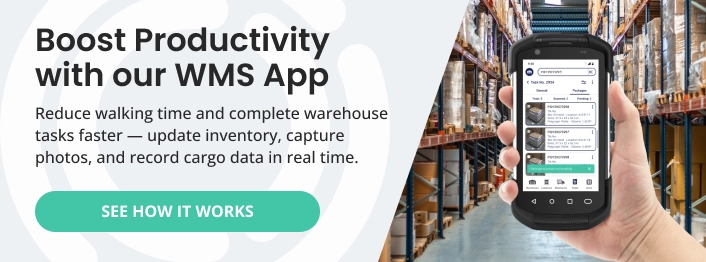
Automation is transforming warehouse processes, reducing manual tasks and improving overall speed and accuracy. Your chosen WMS systems should support tools like barcode scanning, workflows and automatic capture of weight, dimensions and digital images.
Research shows that automation can reduce picking errors by 67%, leading to more accurate order fulfillment and higher customer satisfaction.
Reporting and Analytics
A WMS should give you clear visibility into warehouse performance. Look for customizable dashboards, real-time KPIs, and automated reports that help you identify bottlenecks, monitor productivity, and make more informed decisions.
Scalability
As your business grows, so should your WMS. The system you choose needs to be scalable, allowing you to add more users, locations, and features as your business expands. Scalability ensures you won’t outgrow the software and need to switch systems down the road.
Integration
A WMS must integrate smoothly with your existing tools, including ERP systems, CRM platforms, and shipping solutions. Seamless integration reduces manual data entry and ensures accurate information flows across your business.
Your integration needs may also extend beyond internal software. Depending on your operation, the WMS may need to exchange information with customers, suppliers, manufacturers, carriers, retailers, and other logistics partners. Ask whether the system supports API and EDI connections and what assistance the vendor provides when building and maintaining integrations.
Performance, Security, and Reliability
As transaction volumes and operational data grow, your WMS should remain fast, secure, and reliable. Ask vendors how the system performs under higher workloads, protects sensitive data, manages user access, handles backups and recovery, and maintains system availability.
User-Friendly
Ease of use is a critical factor in WMS adoption and effectiveness. Look for software with a user-friendly interface that simplifies onboarding, reduces training time, and enhances productivity. A WMS that’s easy to navigate ensures your team can focus on operations rather than struggling with complex software.
Want a closer look at the capabilities available? Explore the key WMS features that can improve warehouse accuracy, visibility, and efficiency.
3. Industry-Specific Considerations
Not all WMS solutions are built the same, and certain industries have specific needs. For example, a retail warehouse might prioritize fast order fulfillment and returns processing, while a food warehouse needs to focus on lot tracking and compliance with expiration dates.
Key Industry Examples:
- Retail & E-Commerce: Look for features like multi-channel integration, fast order processing, and returns management.
- Food & Beverage: Lot tracking, expiration date monitoring, and compliance with food safety regulations are essential.
- Pharmaceuticals: The WMS should support strict regulatory compliance, batch tracking, and product recalls.
Choosing a WMS that is designed for your industry ensures that it has the features and functionality you need to meet regulatory requirements and industry best practices.

4. Total Cost of Ownership
The total cost of ownership for a cloud based WMS includes much more than just the upfront price. Consider setup fees, training, support, and long-term maintenance when evaluating different WMS systems.
What to Consider When Calculating TCO:
- Setup and Implementation: How long will it take to get the system up and running? Will you need outside consultants to help with the implementation?
- Training: How easy is the system to use, and how much training will your team need? Some WMS solutions offer built-in training modules, while others require additional support.
- Ongoing Support: What kind of support does the vendor offer? Is there 24/7 customer service available? Make sure you understand what’s included in the price and what will cost extra.
- Software Updates and Maintenance: Does the vendor provide regular updates and maintenance, and are these included in the cost?
Studies show that businesses often underestimate the true cost of software by as much as 25-50% when they don’t account for ongoing maintenance and support.
If you want to learn more about the costs associated with a warehouse management system, check out our blog, “What Does Warehouse Management Software Cost? A Comprehensive Guide“.
5. Vendor Support and Reputation
Selecting the right WMS isn’t just about the software itself. It’s also about the company behind it. A WMS is a long-term investment, so you need to choose a vendor you can trust.
Things to Look for in a Vendor:
- Proven Track Record: Look for vendors with a strong reputation in the industry. Check online reviews, ask for references, and talk to other businesses using the system. Request a demonstration and ask about the vendor’s experience implementing its WMS for businesses with operations similar to yours.
- Customer Support: Make sure the vendor offers reliable customer support. A good WMS is only as good as the help you get when things go wrong. Review the vendor’s support hours, response times, escalation procedures, and technical expertise. You should also confirm whether these commitments are documented in a service-level agreement.
- Ongoing Improvements: The best warehouse management system providers are constantly updating their systems to include the latest features and technologies. Ask how often the software is improved, how the vendor evaluates new technology, and whether its product roadmap can keep pace with changing warehouse requirements.
- Software Testing and Quality Assurance: Ask how the vendor tests new functionality, integrations, software updates, and system performance under higher transaction volumes. A thorough quality assurance process can help reduce software issues that could disrupt warehouse operations.
Tip: Ask the vendor for case studies or references from businesses in your industry to see how well the system has worked for them.
6. Implementation and Training
Even the best warehouse management system won’t help your business if it’s not implemented correctly. Be sure to ask potential vendors about the implementation process, how long it will take, and what kind of training and support they offer. For a closer look at the steps involved, explore our complete WMS implementation guide.
Key Implementation Considerations:
- Timeline: How long will it take to fully implement the WMS in your warehouse? Some systems can be up and running in a few weeks, while others may take months.
- Training: What kind of training will your team need to effectively use the system? Will the vendor provide on-site training, or will it all be done remotely?
- Customization: Will the system need to be customized to fit your specific workflows? Customization can extend the implementation timeline, so be sure to plan for this.
According to Panorama Consulting, 64% of WMS implementations run over schedule, so it’s crucial to set realistic expectations with your vendor.
Involve key operational stakeholders early so they can review workflows and confirm that the system is configured correctly before go-live. A structured WMS training plan can also help employees feel more confident using the system and support a smoother transition after launch.
7. Evaluate ROI
A WMS is a big investment, and it’s important to evaluate the return on investment (ROI) before making a final decision. The best warehouse management system will improve efficiency, reduce errors, and help your business grow—all of which should translate into measurable cost savings.
How to Measure ROI:
- Labor Savings: Automating manual tasks reduces the need for labor, freeing up employees to focus on more valuable tasks.
- Error Reduction: Fewer picking and packing errors lead to fewer returns and less wasted time and money.
- Customer Satisfaction: Faster, more accurate order fulfillment leads to happier customers and repeat business.
- Scalability: A WMS that can grow with your business reduces the need to replace systems as you expand, saving you money in the long term.
Businesses that implement a WMS typically see a 20-30% increase in warehouse productivity within the first year.
How Does Supply Chain Orchestrator Fit These Criteria?
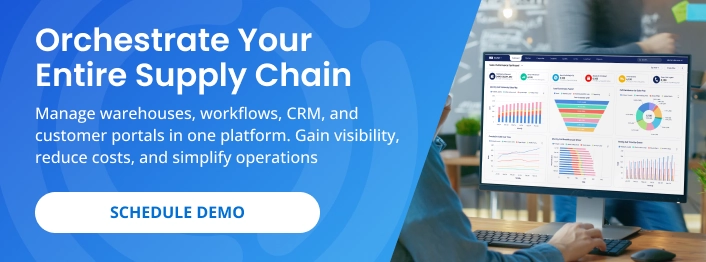
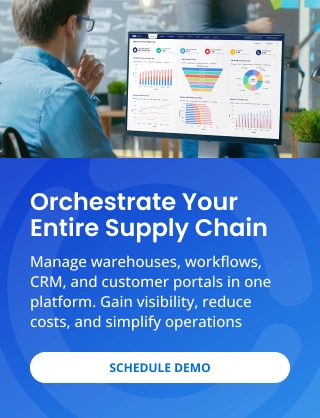
As you compare your options, remember that learning how to select the best warehouse management system is about finding a solution that supports your operation today without limiting where you can go next. Supply Chain Orchestrator’s Cloud Warehouse Management System centralizes warehouse receipts, packages, inventory, tasks, shipment consolidations, bookings, pickup orders, invoices, and reporting in one platform. Built-in workflows can also assign tasks, enforce procedures, send alerts, and help keep operational data accurate and up to date.
The platform can grow with your business through connected modules for Workflow Automation, WMS Mobile App, Warehouse Dimensioner, Customer Portal, and Supply Chain CRM. These modules extend the system with broader process automation, mobile warehouse execution, cargo dimension capture, customer self-service, and logistics sales management as your operational needs evolve.
Conclusion
Ultimately, understanding how to select the best warehouse management system comes down to knowing your unique needs, evaluating the features that matter most, and considering the total cost of ownership. Taking the time to assess these factors can help you find a system that streamlines your operations and supports future growth.
Remember, the right WMS isn’t just about solving today’s problems—it’s about setting your warehouse up for long-term success.
Ready to see how our WM Orchestrator SaaS can transform your warehouse operations? Schedule a demo today and discover how you can improve efficiency, reduce errors, and scale your business with our powerful, easy-to-use solution.
For more warehouse management, logistics software, and supply chain technology insights, follow us on LinkedIn and subscribe to our YouTube channel.
Frequently Asked Questions About Selecting a Warehouse Management System
1. How do you select the best warehouse management system?
To select the best warehouse management system, start by defining your operational needs, required features, integration requirements, budget, and growth plans. Then compare vendors based on system functionality, scalability, usability, implementation support, and total cost of ownership.
2. What features should you look for in a WMS?
Look for capabilities such as inventory management, order fulfillment, automation, reporting and analytics, scalability, integrations, security, and ease of use. The right features should address your current challenges while supporting future operational needs.
3. How should you compare WMS vendors?
Compare vendors by reviewing their industry experience, customer references, product roadmap, support commitments, implementation process, and software testing practices. Request demonstrations and ask how the system performs in operations similar to yours.
4. What costs should you consider when selecting a WMS?
Consider the total cost of ownership, including software fees, implementation, data migration, integrations, customization, devices, training, maintenance, and ongoing support. Focusing only on the initial price can make it harder to understand the system’s true long-term cost.
5. How can you tell whether a WMS will scale with your business?
A scalable WMS should support growing transaction volumes, users, customers, warehouses, inventory records, and integrations without creating performance problems. Ask vendors how the system handles expansion and whether additional functionality can be added as your requirements evolve.

Written by
Hector Sunol
Related Blogs

Mastering Your Warehouse with WMS Software: A Comprehensive Guide
We all know that a well-run warehouse is essential for any business that deals with physical goods and fulfillment operations. But keeping track of inventory, managing orders, and optimizing workflows can be a real he...
Start Reading

WMS SaaS: Definition, Benefits, and How to Choose the Right One
Learn what WMS SaaS is, why more companies are making the switch, and what to consider when choosing the right system for your warehouse.
Start Reading

3PL Software: A Guide for Small & Mid-Size Firms
Shopping for 3PL software? This practical guide for small and mid-size firms covers the must-have capabilities, a safe rollout roadmap, common pitfalls, and a simple demo checklist.
Start Reading