
Warehouse Operations Is a WMS Worth It? The Benefits of WMS Explained
Discover the key benefits of WMS, from better inventory accuracy and faster fulfillment to lower costs, stronger visibility, improved productivity, and more consistent warehouse operations.
Table of Contents
SHARE ON SOCIAL MEDIA


Spreadsheets and manual processes can work—until order volume grows, inventory drifts, and your team spends more time fixing mistakes than moving products. In my experience, this is where the benefits of WMS become clear: better control over receiving, putaway, inventory, picking, packing, and shipping, with fewer manual updates and less guesswork.
A WMS can improve accuracy, productivity, space utilization, traceability, cost control, and customer service—but only when the system fits the operation and is implemented well.
So, is a WMS worth the investment? Let’s look at the practical value it can bring to daily warehouse operations.
Why Is a Warehouse Management System Important?
Warehouse operations depend on accurate, current information. Your team needs to know what arrived, where it belongs, how much is available, and what must ship next.
What I often see is that manual processes make this harder as volume grows. Paperwork goes missing. Spreadsheets fall behind. Employees enter the same data into several systems, and small mistakes start to spread.
A missed receiving update can create an inventory discrepancy. That can lead to a picking delay, an incorrect shipment, or a frustrated customer.
The problem is not only accuracy. Limited visibility also makes it harder to manage the warehouse. Without current data, supervisors may struggle to answer simple questions:
- How much inventory is available?
- Where is each item stored?
- Which orders need attention?
- Where are delays occurring?
- How productive is the team?
- How much space remains?
Here’s where a WMS starts to make a difference. It gives your team one place to track inventory, tasks, and warehouse activity. It also standardizes each process, from receiving through shipping, so managers can make decisions using reliable operational data. For a broader look at how these systems support daily operations, see our complete guide to WMS software.

10 Key Benefits of WMS
The value of a WMS goes beyond replacing paperwork. It connects warehouse activity from receiving through shipping and keeps information current as work progresses.
Here are ten of the most important benefits.
1. Optimize Core Warehouse Processes
One common mistake is treating receiving, putaway, storage, picking, packing, and shipping as separate activities. In reality, each process depends on the accuracy of the one before it. A receiving error can affect putaway, inventory records, picking, packing, and the final shipment.
A capable WMS connects these processes through one continuous flow. At receiving, employees can scan goods and verify the item, quantity, and condition. The system records the receipt, updates inventory, and directs goods to suitable storage locations. It then maintains location data, generates picking tasks from orders, confirms picked quantities, moves work into packing, and verifies outgoing shipments. Depending on the system, it may also support packing decisions and generate required shipping documents. These capabilities vary by system, so compare key WMS features before choosing a solution.
The real value comes from the handoffs. Receiving data guides putaway. Confirmed locations make picking more reliable. Pick confirmations keep inventory current, while packing and shipping checks reduce errors before orders leave the dock.
When those steps share the same data, employees spend less time searching, re-entering information, or fixing preventable mistakes. Managers also gain a clearer view of where work is moving smoothly and where the operation needs attention.
2. Improve Inventory Accuracy and Visibility
Inventory accuracy is not simply a counting problem. It depends on how consistently the warehouse records each receipt, movement, pick, and shipment. When employees miss or delay one update, the system and the warehouse floor start telling different stories.
A WMS records inventory as work happens. It tracks each item from receiving through shipping, including its quantity, location, status, and movement history. Cloud-based systems can also give authorized users access to current inventory data when they are outside the warehouse.
That visibility helps employees locate goods without relying on memory, paper lists, or outdated spreadsheets. It also reduces the risk of inventory becoming forgotten, lost, or misplaced between warehouse areas.
The real benefit is confidence in the data. Teams can replenish stock earlier, avoid ordering inventory they already have, and allocate available goods more accurately. This helps reduce stockouts, excess inventory, and the costs that come with both.
3. Increase Labor Productivity
Warehouse employees lose time when instructions are unclear or information is hard to find. They may wait for assignments, search for products, or ask supervisors what to do next.
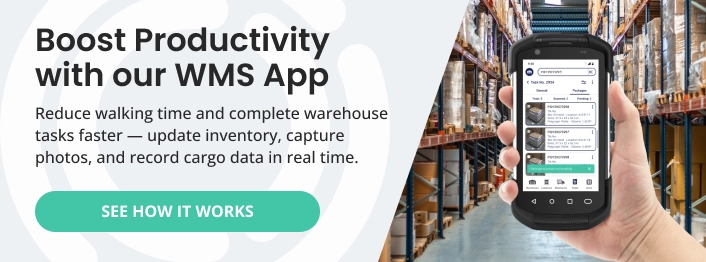
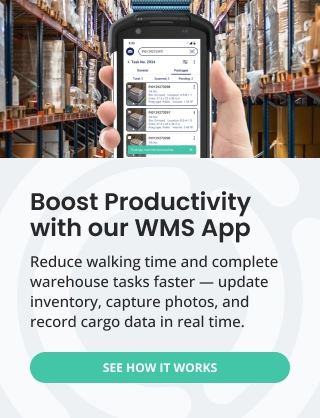
A WMS can assign tasks based on operational priorities and employee responsibilities. It also gives workers clear instructions on what to do, where the inventory is, how much to move, and where it should go.
This keeps work moving with fewer delays and less back-and-forth. Managers can also track task completion, balance workloads, and identify where additional training may be needed.
As productivity improves, the warehouse can handle more volume without increasing labor at the same rate.

4. Reduce Operating Costs
Warehouse costs rarely rise because of one major problem. More often, they grow through small inefficiencies repeated across every shift. Employees spend extra time searching for inventory, correcting errors, and moving goods through poorly planned workflows.
A WMS helps control that waste by matching the right employees with the right tasks. It can also guide where teams store products, materials, and equipment to improve warehouse flow. The real opportunity is not simply reducing headcount. It is helping your existing team complete more work with less unnecessary movement and downtime.
Accurate inventory data can reduce costs as well. When teams know what they have and where it is, they can avoid misplaced goods, excess stock, and preventable stockouts. Better space allocation can also lower storage costs and delay the need for additional capacity.
Of course, a WMS still requires an investment. Its value depends on whether the system solves costly operational problems and supports higher volumes without labor costs rising at the same rate. That is where the return becomes easier to justify.
5. Optimize Warehouse Space
Running out of space does not always mean you need a larger warehouse. Often, the real problem is poor visibility into what each location can hold and how teams use it.
A WMS uses product dimensions, weight, storage requirements, and available capacity to guide putaway. It helps employees place inventory in suitable locations instead of relying on memory or whatever space appears open.
This improves more than storage capacity. Better placement can shorten travel during picking and replenishment. It also makes inventory easier to locate and reduces unnecessary handling.
The real benefit is using space with purpose. A WMS can track storage KPIs and show which zones are full, underused, or poorly allocated. Managers can then improve capacity without immediately expanding the building.


6. Manage Multiple Warehouses Centrally
Managing several warehouses is not just the same job repeated across more buildings. Each location creates more inventory records, receipts, orders, transfers, and decisions for your team to coordinate.
A WMS with multi-warehouse capabilities brings that information into one central system. Managers can review inventory across the network or focus on a single facility. This reduces the time spent collecting updates from separate locations and reconciling different records.
The real value is having one reliable view of the operation. Your team can see where inventory is available and coordinate activity between warehouses with less guesswork. Leaders can also apply more consistent processes while still managing each facility’s needs.
But do not assume every WMS handles multi-warehouse operations equally well. If your business runs several facilities, confirm how the system manages location-level inventory, centralized visibility, and growth before making your decision. Capabilities vary across types of WMS, so compare which option best fits your operation.
7. Automate Repetitive Tasks and Workflows
Warehouse teams lose time when employees must create assignments, send updates, and chase incomplete work by hand. These tasks may seem small, but they add up quickly across every shift.
A WMS can automate many of these routine steps. Depending on the system, it may:
- Create tasks when inventory arrives
- Assign work based on priority
- Trigger alerts when exceptions occur
- Update inventory after confirmed transactions
- Notify teams when orders change
- Enforce required process steps
- Generate operational documents
The real benefit is consistency. Automation keeps work moving and reduces repeated data entry. It also helps teams follow the same process across employees, shifts, and locations.
However, automation will not fix a poorly designed workflow. Teams should first define how each process should work. The WMS can then enforce those rules and reduce the manual effort needed to keep operations on track.


8. Improve Traceability and Reporting
When inventory goes missing or an order goes wrong, teams need more than a current stock count. They need a clear record of what happened, when it happened, and who completed each step.
A WMS creates that history as employees receive, move, pick, pack, and ship goods. Teams can trace when an item arrived, where it was stored, when it moved, who handled it, which order used it, and when it left the warehouse. This makes it easier to investigate discrepancies, damaged goods, returns, and affected batches.
Reporting adds another layer of value. Instead of building updates manually, managers can review current information across areas such as:
- Inventory accuracy
- Order volume
- Picking productivity
- Receiving activity
- Shipment performance
- Adjustment frequency
- Task completion
- Space utilization
This combination helps teams solve problems faster. Traceability shows what happened, while reporting reveals patterns that may cause the issue again. Managers can then address bottlenecks before they become routine.
9. Enhance Customer Satisfaction and Returns Management
A WMS supports faster, more accurate fulfillment and gives teams clearer order information. This helps reduce delays and improves customer communication.
It can also streamline returns through clear instructions and automated workflows. Employees can process, inspect, restock, quarantine, or dispose of returned goods more quickly, reducing handling time and costs while keeping inventory records accurate.
10. Reduce Paperwork and Centralize Documents
Paper slows warehouse work more than many teams realize. Employees lose time filing records, searching for missing documents, and recreating information that someone misplaced or damaged.
A WMS can store reports, bills of lading, packing slips, invoices, shipment records, and operational forms in one system. This gives employees faster access to the information they need and makes audits, customer inquiries, and internal reviews easier to manage.
Some processes may still require printed documents. However, the warehouse no longer has to rely on paper as its main source of operational information. That reduces administrative work and keeps important records easier to find.
Bringing These WMS Benefits Together
The benefits of WMS become more valuable when inventory, warehouse processes, employee tasks, and reporting work within one connected platform.
Supply Chain Orchestrator’s Cloud Warehouse Management System centralizes receipts, packages, inventory, tasks, shipment consolidations, bookings, pickup orders, invoices, and reporting. Built-in workflows can assign tasks, enforce procedures, send alerts, and help keep operational data current.
Businesses can also extend the platform through connected modules:
- Workflow Automation supports broader business and logistics processes.
- WMS Mobile App brings warehouse tasks and data capture to the point of work.
- Warehouse Dimensioner captures cargo dimensions, weight, and images.
- Customer Portal provides customers with self-service access to relevant information.
- Supply Chain CRM connects logistics sales and customer activity with operations.
This modular approach allows businesses to begin with the capabilities they need today. They can then expand the platform as warehouse and logistics requirements grow.
Conclusion
The benefits of WMS extend across nearly every part of warehouse operations. The right system can improve inventory accuracy, labor productivity, fulfillment, space use, reporting, cost control, and customer service.
However, a WMS delivers the most value when it fits the operation. Before making a decision, review how to select the best warehouse management system for your processes, integrations, budget, and growth plans.
A WMS should not only solve today’s problems. It should also give the warehouse enough flexibility to handle new customers, higher volumes, additional locations, and changing workflows.
Ready to see how a WMS could support your operation? Schedule a demo to explore Supply Chain Orchestrator’s Cloud WMS and connected logistics modules.
For more warehouse management and logistics technology insights, follow us on LinkedIn and subscribe to our YouTube channel.
Frequently Asked Questions About the Benefits of WMS
1. What are the main benefits of WMS?
The main benefits include better inventory accuracy, faster fulfillment, higher labor productivity, lower operating costs, and clearer operational visibility. A WMS can also improve space utilization, traceability, reporting, and customer service.
2. Why is a warehouse management system important?
A WMS gives teams one system for managing inventory, tasks, and warehouse processes. It reduces reliance on paperwork, spreadsheets, and delayed manual updates.
3. How does a WMS reduce warehouse costs?
A WMS can reduce labor waste, inventory errors, rework, excess stock, and unnecessary storage costs. It also helps teams use warehouse space and employee time more effectively.
4. When should a business invest in a WMS?
A business should consider a WMS when manual processes no longer support its volume or complexity. Common signs include frequent inventory errors, delayed orders, limited visibility, and difficulty scaling operations.

Written by
Hector Sunol
Related Blogs

Mastering Your Warehouse with WMS Software: A Comprehensive Guide
We all know that a well-run warehouse is essential for any business that deals with physical goods and fulfillment operations. But keeping track of inventory, managing orders, and optimizing workflows can be a real he...
Start Reading
Types of WMS and Their Pros & Cons
Compare the main types of WMS, their pros and cons, and the key factors to consider when choosing the right system for your warehouse.
Start Reading

How to Select the Best Warehouse Management System
Learn how to select the best warehouse management system by evaluating your operational needs, essential features, vendor support, implementation requirements, and long-term scalability.
Start Reading