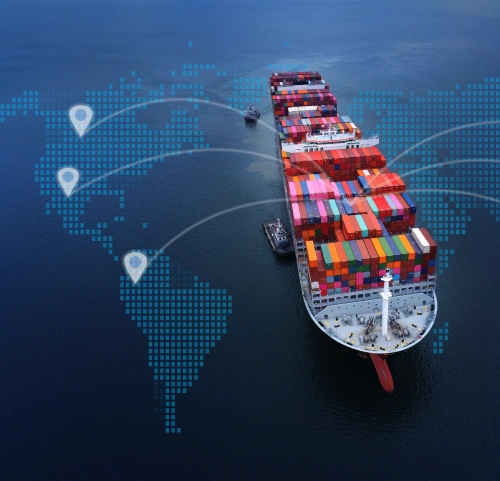
Supply Chain Freight Forwarding Process: How Shipments Move From Quote to Delivery
A clear freight forwarding process helps teams move shipments from quote to delivery with fewer delays, cleaner handoffs, and better visibility.
Table of Contents
SHARE ON SOCIAL MEDIA


The freight forwarding process is the series of steps used to quote, book, move, deliver, and bill a shipment. It starts when a customer asks to move cargo. It ends when the shipment is delivered, invoiced, and properly closed.
However, freight forwarding is not just a checklist. It is a chain of handoffs between sales, operations, warehouse teams, documentation, customs partners, carriers, agents, customer service, and billing. When those handoffs are clear, shipments move with fewer surprises. When they are not, small gaps can become delays, extra charges, customer complaints, and margin leakage.
Freight forwarders often coordinate transportation, documents, cargo handling, consolidation, customs-related steps, storage, insurance, and payment records. FIATA describes freight forwarding services as activities related to carriage, consolidation, storage, handling, packing, distribution, customs matters, insurance, payments, and documents.
That wide role is why a controlled freight forwarding workflow matters. Below is a practical look at the 12 major steps in the freight forwarding process, where problems often happen, and how technology can help forwarders run a more visible and scalable operation.
12 Steps in the Freight Forwarding Process
Here is how a typical freight forwarding process moves from the first shipment inquiry to final delivery and billing.
1. Shipment Inquiry and Requirements Gathering
The process starts with a shipment inquiry. The shipper shares cargo and routing details, and the freight forwarder gathers the information needed to prepare a quote and shipping plan.
Typical details include:
- Shipper and consignee
- Origin and destination
- Cargo description
- Package count
- Weight and dimensions
- Cargo value
- Required delivery date
- Transport mode
- Incoterms
- Special handling needs
- Hazardous, oversized, temperature-sensitive, or regulated cargo requirements
This step sets the foundation for the entire shipment. If the intake is weak, the next steps become weaker too.
For example, missing dimensions can affect chargeable weight, LCL planning, warehouse space, quote accuracy, and final billing. An unclear cargo description can create documentation and customs issues. Incomplete delivery requirements can cause failed pickups, missed appointments, or surprise accessorial charges.
The goal is simple: collect complete and accurate shipment data before quoting, booking, or handing the file to operations.
2. Freight Quote and Rate Planning
Once the shipment details are confirmed, the freight forwarder prepares the quote. Depending on the shipment, the quote may include freight charges, trucking, handling, documentation fees, customs brokerage, insurance, storage, delivery services, and other accessorial costs.
Ocean freight pricing may depend on whether the shipment moves as FCL or LCL. Air freight often depends on chargeable weight, cargo type, route, and service level. Trucking may depend on distance, equipment type, appointments, liftgate needs, detention risk, or delivery restrictions.
This is also where margin control begins.
A quote is not only a customer price. It is the forwarder’s first financial plan for the shipment. If costs are missed, dimensions are estimated, or accessorials are not captured, the forwarder may lose margin later.
A strong freight forwarding workflow should connect quote data to operations. That way, the team booking the shipment can see what was promised, what was priced, and what needs to be protected.
3. Booking and Carrier Coordination
After the customer approves the quote, the freight forwarder books space with the selected carrier or partner. This may include a shipping line, airline, trucking company, rail provider, co-loader, warehouse, or destination agent.
The forwarder should confirm:
- Carrier schedule
- Transit time
- Cutoff dates
- Equipment availability
- Booking number
- Routing
- Pickup instructions
- Documentation deadlines
- Special cargo requirements
This is one of the first major handoffs. Sales and pricing may have won the shipment, but now operations must execute it.
If booking details are incomplete, the shipment can miss a cutoff, lose space, delay pickup, or move with the wrong service level. A good workflow should make the handoff clear, assign the next tasks, and alert the right team when something is missing.
4. Cargo Pickup and Export Haulage
Cargo pickup is the first physical movement of the shipment. Goods are collected from the shipper and moved to a warehouse, container freight station, port, airport, rail terminal, or other handling location.
The forwarder or trucking provider coordinates pickup times, cargo readiness, equipment needs, labels, packaging, and instructions.
Common problems include:
- Cargo not ready
- Wrong pickup address
- Missing labels
- Incorrect package count
- Weight or dimensions that do not match the quote
- Driver delays
- Missed pickup appointments
This step is where the plan meets reality. Clear communication between the shipper, trucking provider, warehouse, and operations team helps prevent delays. It also gives customer service better visibility when the customer asks, “Has my cargo been picked up?”
5. Cargo Receiving, Inspection, and Consolidation
When cargo reaches a warehouse or handling facility, it is received, checked, and prepared for the next stage. This step is especially important for air freight, LCL shipments, cross-dock cargo, and consolidated freight.
Warehouse teams may:
- Verify package count
- Inspect visible damage
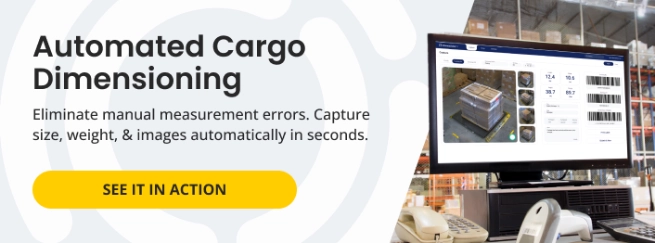
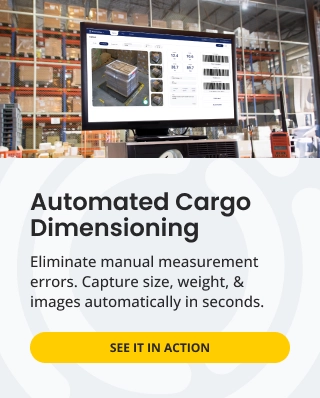
- Confirm weight and dimensions
- Check labels
- Take photos
- Stage cargo
- Consolidate multiple shipments
- Prepare cargo for loading or transfer
This is one of the most important control points in the freight forwarding process.
If the warehouse confirms that the cargo is heavier, larger, damaged, mislabeled, or incomplete, the operations team needs that information quickly. Otherwise, the forwarder may continue working from bad data.
Real-time warehouse visibility helps the team know what has arrived, what is pending, what is ready, and what needs attention.
6. Export Documentation
Documentation is a critical part of freight forwarding. Requirements vary by shipment, commodity, origin, destination, value, and government rules.
Common documents include:
- Commercial invoice
- Packing list
- Bill of lading
- Air waybill
- Shipper’s letter of instruction
- Certificate of origin
- Export declaration
- Insurance certificate
- Permits or special certificates
The International Trade Administration lists common export documents such as the commercial invoice, bill of lading, packing list, certificate of origin, export license, and other shipment-specific documents.
Document problems often happen because information does not match across files. For example, the cargo description, quantity, value, country of origin, or consignee details may differ between the commercial invoice, packing list, bill of lading, and customs entry.
A strong freight forwarding workflow should centralize documents, track missing items, and alert the right person before deadlines are missed.

7. Export Customs Clearance
Before cargo can leave the origin country, it may need export customs clearance. This step confirms that the shipment can legally be exported.
The process may involve:
- HS code review
- Cargo description review
- Export value
- Country of origin
- Destination country
- Export permits
- Restricted party or restricted goods checks
- Government agency requirements
Export clearance is time-sensitive. If documents are missing or classification is wrong, cargo may miss the intended departure.
This is why documentation and customs steps should not be treated as last-minute tasks. They need to be built into the shipment workflow with clear owners, due dates, and exception alerts.
8. Origin Handling and Main Transport
After the cargo is cleared and prepared, it moves through origin handling and begins the main transport leg. This may be by ocean, air, road, rail, or a combination of modes.
Ocean shipments move through ports, containers, vessels, and sometimes transshipment points. Air shipments move through airline tender, screening, departure, transit, and arrival milestones. Multimodal shipments may include several handoffs between carriers and agents.
During transit, freight forwarders monitor:
- Departure status
- Arrival estimates
- Transshipment updates
- Carrier delays
- Rolled bookings
- Schedule changes
- Exceptions
- Customer update needs
This is where proactive communication matters. Customers do not only want to know that a shipment is “in transit.” They want to know if it is moving as planned, if there is a delay, and what the forwarder is doing about it.
9. Arrival and Destination Handling
When cargo arrives at the destination port, airport, terminal, or warehouse, destination handling begins. This stage may involve carriers, destination agents, warehouses, customs brokers, truckers, and consignees.
The team coordinates:
- Arrival notices
- Cargo availability
- Unloading
- Deconsolidation
- Release instructions
- Destination charges
- Payment requirements
- Delivery planning
If documents, payments, or release instructions are not ready, cargo may sit longer than expected. That can lead to storage, demurrage, detention, or other extra charges.
This is another high-risk handoff. The origin team, destination agent, customs broker, customer service team, and billing team need access to the same shipment status and documents.
10. Import Customs Clearance
Import customs clearance allows the shipment to enter the destination country. Success depends on accurate documents, correct cargo information, and timely coordination.
The process may include:
- Import entry
- Duties and taxes
- HS code review
- Commercial invoice review
- Packing list review
- Permits
- Government agency requirements
- Inspections
- Release approval
For U.S. imports, entry documentation can include entry records, evidence of the right to make entry, a commercial invoice, a packing list where appropriate, and other required documents.
If customs finds an issue, the shipment may be delayed for review. That delay can affect delivery, storage costs, customer satisfaction, and billing.
Forwarders can reduce risk by keeping documents organized, tracking customs status, and making sure exceptions are visible to the right team.
11. Final Delivery and Proof of Delivery
Once customs releases the cargo, it can move to final delivery. This stage may involve last-mile, appointment scheduling, delivery instructions, customer communication, and special services.
Delivery requirements may include:
- Appointment windows
- Liftgate service
- Inside delivery
- Residential delivery
- Limited-access delivery
- Temperature control
- Delivery photos
- Proof of delivery
After delivery, a proof of delivery confirms the cargo was received. However, the process is not fully complete yet. The shipment still needs billing, cost reconciliation, document archiving, and margin review.

12. Billing, Invoicing, and Recordkeeping
The final step is billing and recordkeeping. This includes customer invoicing, carrier invoice reconciliation, accessorial charge review, document archiving, margin analysis, and shipment history updates.
Billing is not just an accounting task. It is where many forwarders discover margin leakage.
For example, the original quote may not have included storage, reweigh fees, destination charges, detention, waiting time, or special delivery services. If these costs are not captured and reviewed, the forwarder may absorb them.
Accurate billing helps reduce disputes, speed up cash flow, and improve shipment profitability. Proper recordkeeping also supports audits, claims, customer inquiries, and future quoting.
A shipment is not truly closed until the operational, financial, and document records are complete.
Where the Freight Forwarding Process Breaks Down
Most freight forwarding problems do not come from one big failure. They come from small gaps that move from one step to the next.
| Process gap | What happens |
| Incomplete shipment intake | Quotes, bookings, documents, and delivery plans start with bad data |
| Missing dimensions or weights | Chargeable weight, space planning, and margins become harder to control |
| Weak quote-to-booking handoff | Operations may not know what sales promised |
| Documents spread across email | Teams waste time searching and errors are harder to catch |
| Poor cargo visibility | Customer service must chase warehouse and operations for updates |
| Manual status updates | Customers wait longer and teams repeat the same work |
| No exception tracking | Delays are found too late |
| Slow billing | Cash flow suffers and margin leakage is harder to catch |
This is why the freight forwarding process needs more than experienced people. It needs a clear workflow, shared visibility, and systems that help teams stay aligned.
How Technology Improves the Freight Forwarding Workflow
Technology helps freight forwarders manage the process with more control. It does this by centralizing shipment information, assigning tasks, tracking milestones, managing documents, and giving customers better visibility.
The goal is not to replace freight forwarding expertise. The goal is to support that expertise with better systems.
| Operation challenge | Technology that helps |
| Shipment details are incomplete | Standardized intake forms and required fields |
| Quote handoffs are unclear | CRM and workflow automation |
| Cargo status is hard to see | WMS and mobile warehouse updates |
| Dimensions are missing or inaccurate | Dimensioning systems |
| Customers keep asking for updates | Customer portal and automated status updates thru workflow systems |
| Documents are scattered | Centralized document management |
| Exceptions are found too late | Alerts, tasks, and exception workflows |
| Billing is slow | Connected shipment, cost, and invoice records |
Supply Chain Orchestrator helps freight forwarders address these challenges by connecting key parts of the operation in one platform.
Relevant modules include:
- Workflows: Standardize tasks, automate reminders, and track process exceptions. Learn more about Workflow automation here.
- WMS: Improve visibility into cargo receiving, processing, staging, and warehouse activity. Learn more about WMS here.
- WMS Mobile App: Help warehouse teams update cargo activity from the floor. Learn more about WMS mobile app here.
- Customer Portal: Give customers access to shipment status, documents, and updates. Learn more about Customer Portal here.
- Dimensioner: Capture accurate cargo dimensions and support better pricing and space planning. Learn more about Dimensioner here.
Key Freight Forwarding Process Metrics to Track
Freight forwarders can improve performance by tracking the right metrics. These numbers help managers see where shipments slow down, where work piles up, and where margin is at risk.
| KPI | What it measures | Why it matters | Target |
| On-time pickup | Pickup performance against the scheduled pickup time | Shows whether origin coordination is working | Aim for 95%+ where possible |
| On-time delivery | Delivery performance against the expected delivery date | Helps measure service reliability | Track by customer, lane, and carrier |
| Customs clearance time | Time from document submission to release | Reveals documentation or compliance delays | Reduce by lane and commodity |
| Dwell time by status | How long cargo sits in each workflow stage | Shows where shipments get stuck | Trend down month over month |
| Exception rate | Number of shipments with delays, missing documents, holds, or changes | Helps identify recurring process problems | Track by type and root cause |
| Billing cycle time | Time from delivery to customer invoice | Impacts cash flow and closing speed | 3–5 business days for standard shipments; faster for automated/simple shipments; 7+ days signals a process gap |
| Margin per shipment | Profit after carrier costs and accessorial charges | Shows quote accuracy and cost control | Track by customer, lane, and service |
These metrics help leaders move from reactive management to process control. Instead of relying on scattered updates, teams can see patterns and focus on the areas that need improvement.
Best Practices for a Better Freight Forwarding Process
A better process does not mean adding more manual work. It means making the work clearer, more visible, and easier to manage.
Here are practical ways to improve the freight forwarding process:
- Standardize shipment intake.
Use required fields for cargo details, dimensions, service needs, Incoterms, and delivery requirements. - Connect quoting to operations.
Make sure operations can see what was quoted, what was promised, and what costs need to be protected. - Capture weights and dimensions early.
This helps improve pricing, warehouse planning, consolidation, and billing accuracy. - Use task-based workflows.
Assign owners and due dates for booking, documents, customs, warehouse activity, delivery, and billing. - Centralize documents.
Keep commercial invoices, packing lists, bills of lading, permits, PODs, and billing records in one place. - Give customers self-service visibility.
A customer portal can reduce routine update requests and improve customer experience. - Track exceptions.
Monitor missing documents, delayed pickups, customs holds, carrier changes, and cargo discrepancies. - Review margin before closing.
Compare quoted charges, actual costs, accessorials, and final invoice amounts.
The best freight forwarders do not only move cargo. They control the process from quote to delivery.
Conclusion
The freight forwarding process covers every stage of a shipment, from the first inquiry to final delivery and billing. Each step depends on accurate information, clear documentation, timely coordination, and strong handoffs between teams and partners.
When the process is organized, freight forwarders can manage shipments with better visibility and fewer surprises. When the workflow is unclear, small gaps can lead to delays, extra charges, customer frustration, and margin leakage.
That is why freight forwarding leaders need more than email, spreadsheets, and disconnected systems. They need workflows that connect sales, operations, warehouse activity, documents, customer updates, and billing.
With the right process, useful metrics, and connected technology, freight forwarders can run with more control, improve service, and scale without adding unnecessary manual work.
Schedule a demo of Supply Chain Orchestrator to see how connected workflows, warehouse visibility, customer portals, dimensioning, and reporting can help your freight forwarding team manage shipments from quote to delivery.
Freight Forwarding Process FAQs
1. What is the freight forwarding process?
The freight forwarding process is the series of steps used to quote, book, move, deliver, and bill a shipment from origin to destination.
2. What are the main steps in the freight forwarding process?
The main steps include shipment inquiry, freight quote, carrier booking, pickup, cargo receiving, documentation, customs clearance, main transport, destination handling, final delivery, and billing.
3. Why is documentation important in freight forwarding?
Documentation helps confirm cargo details, shipment value, origin, destination, and customs requirements. Missing or incorrect documents can delay clearance, delivery, and billing.
4. How can freight forwarders improve the freight forwarding process?
Freight forwarders can improve the process by standardizing shipment intake, centralizing documents, tracking cargo status, assigning clear tasks, and using technology to manage exceptions faster.

Written by
Hector Sunol
Related Blogs
Freight Forwarding Software: What to Look For
Freight forwarders live in the middle of moving parts. Rates change fast. Customers want updates now. And paperwork still has to be perfect. Yet many teams run the operation with emails, spreadsheets, and a few discon...
Start Reading
Common Challenges Freight Forwarding Operations Face and How to Control Them
Freight forwarding operations can look busy and still be hard to control. When labor, space usage, customer updates, and quotes are not connected, small gaps can start affecting service and margins.
Start Reading

Freight Forwarder Performance Metrics for Smarter Daily Operations
Freight forwarder performance metrics give a clearer view of workload, capacity, and daily operations. With the right metrics, freight forwarders can spot issues earlier, plan better, and make decisions with less gues...
Start Reading